


The rise and fall of China’s richest man
The rise and fall of China’s richest man

Adrian BlomfieldSat, August 22, 2026 at 5:00 AM UTC
0
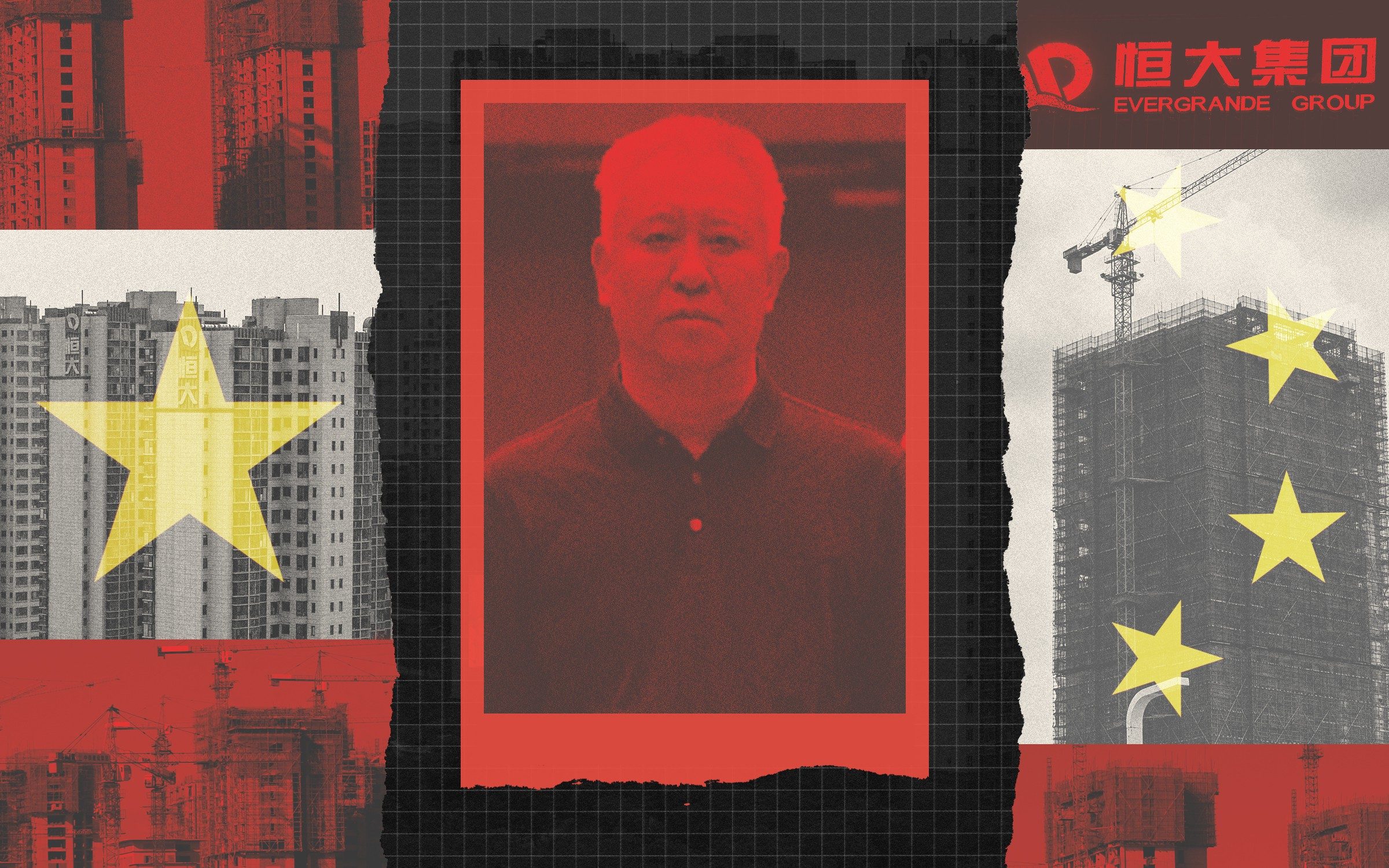
The figure in the dock, his jet-black hair turned white since his last appearance three years ago, will almost certainly never be seen in public again. And a good thing too, many in China will tell you.
Hui Ka Yan was once Asia’s richest man, yet for many of his countrymen, he was little more than a caricature of extravagance, with his gold-buckled Hermès belt, 200ft mega-yacht and ludicrously expensive London house.
So when Hui was jailed for life this week, there was widespread glee that a man who once insisted on keeping a minion to hand to mop his brow with a hot towel had received his comeuppance.
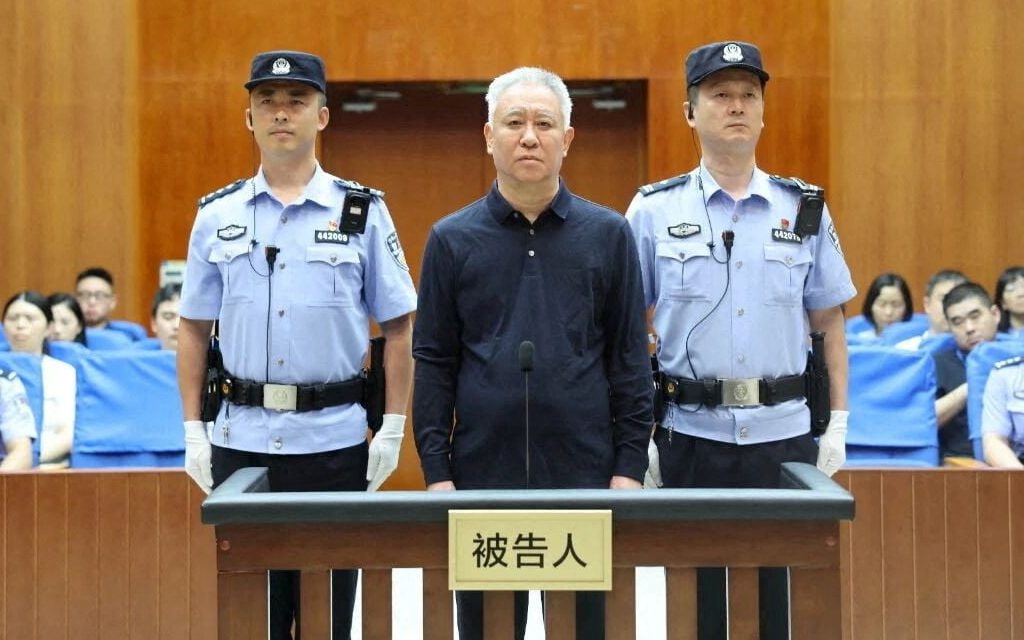
Few tears were shed in China when Hui Ka Yan received a life term this week - Shenzhen Intermediate People's Court/Reuters
Nowhere was that satisfaction greater than among the millions of ordinary Chinese whose livelihoods were ruined after they paid his company, Evergrande, for homes he promised but never built.
The rise and fall of Hui is more than a Chinese morality tale, however. Its grubby conclusion represents a coda to an era of runaway growth when private individuals could amass fortunes without the state’s blessing and when China’s ascent towards global economic dominance seemed inexorable.
The real-estate surge that Evergrande epitomised, and which helped drive the extraordinary growth rates of China’s boom years, is over.
With growth faltering, Beijing has increasingly relied instead on manufacturing and exports, flooding global markets with state-supported, high-end goods and unleashing a “second China shock” that threatens to hollow out Europe’s industrial base.
The decline of Volkswagen, the crisis that forced the renationalisation of British Steel, and the unravelling of Europe’s solar manufacturing ecosystem are among the consequences of this new Chinese export drive, an offensive whose roots lie in the collapse of the property bubble that Hui did so much to inflate.
The house that Hui built
Like any good morality tale, the Evergrande saga has modest beginnings. Hui grew up in penury in rural central China, the son of a woodcutter who was widowed when Hui was only eight months old. After a decade at a state-owned steelworks, he resigned in 1992 to join the economic rush unleashed by Deng Xiaoping’s liberalisation reforms, taking literally the then Chinese leader’s injunction that “to get rich is glorious”.
Founding Evergrande in 1996, he positioned himself at the vanguard of China’s private real-estate boom. Evergrande, it seemed, could do no wrong. Within little more than two decades, it was the world’s biggest property developer by sales and its founder was Asia’s richest man, with a £33bn fortune to his name.
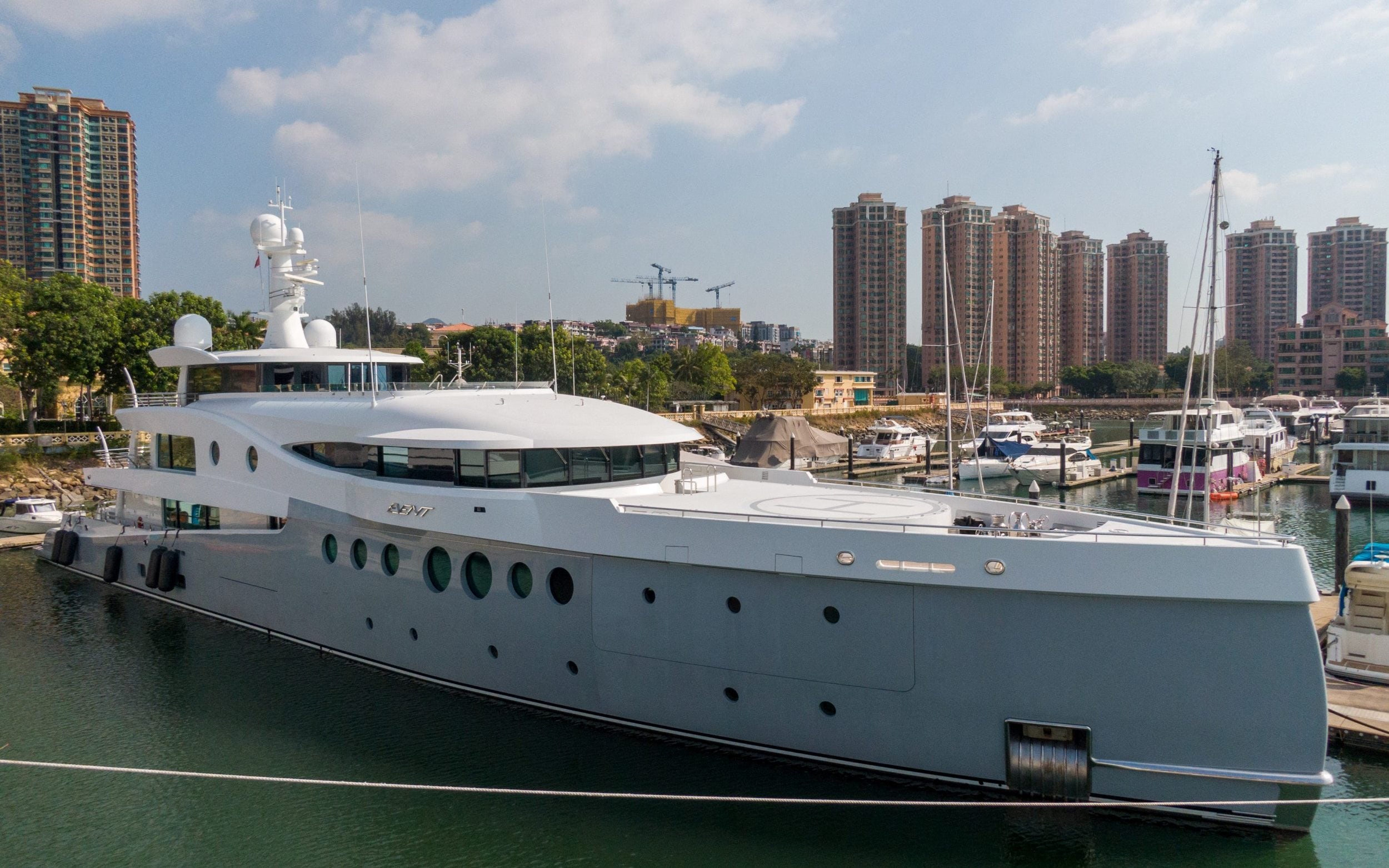
Hui Ka Yan’s 200ft mega-yacht Event docked in Hong Kong in 2021 - DANIEL SUEN/AFP via Getty Images
Hui revelled in the high life. He owned a luxury car for every day of the week as well as his own Airbus and a fleet of other private jets.
There was also a British property empire, its jewel the 45-room house overlooking Hyde Park bought for £210m in 2020, at the time the most expensive home ever sold in Britain.
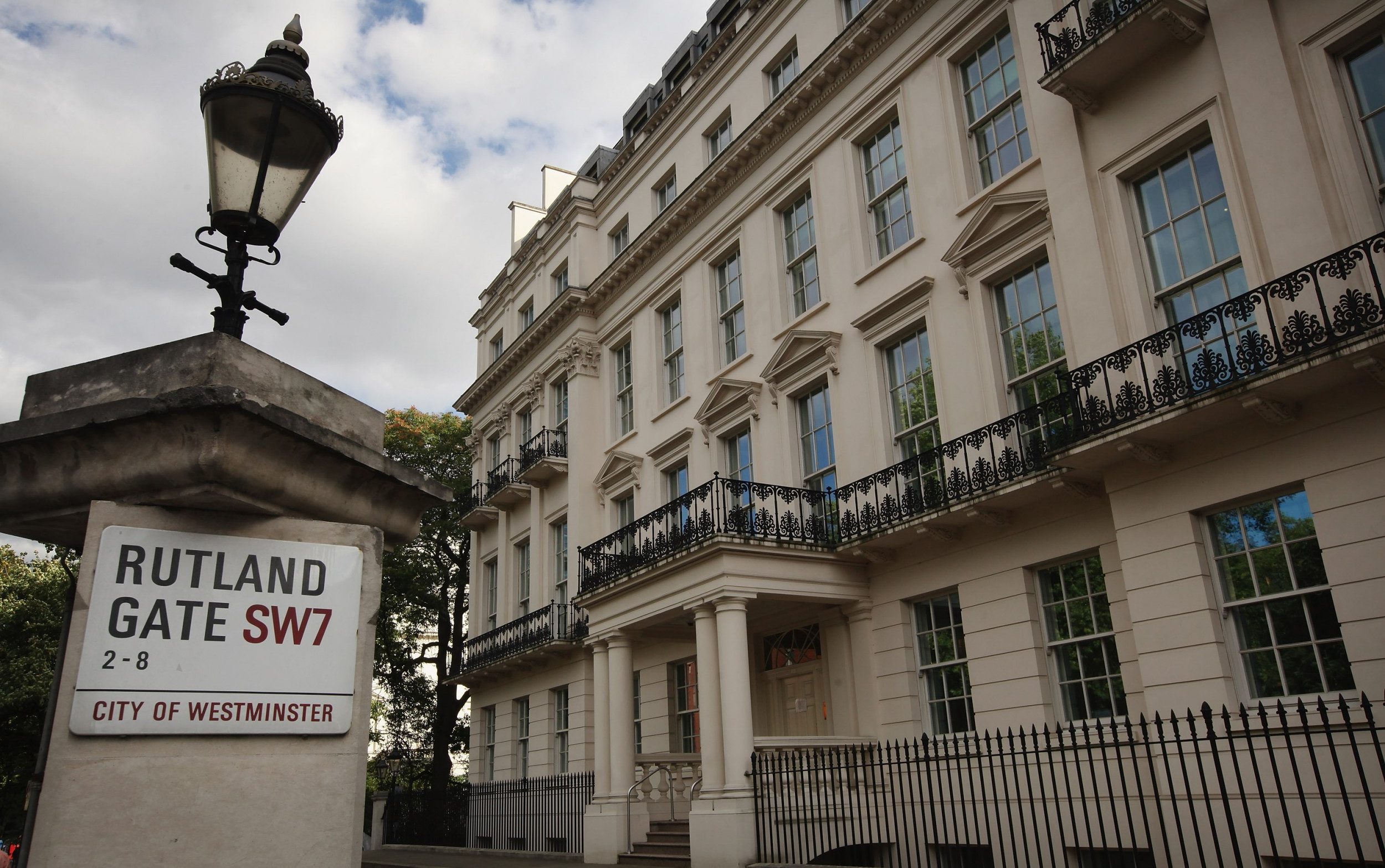
Hui bought this 45-bedroom property overlooking Hyde Park for £210m in 2020 - Dan Kitwood/Getty Images
Hui seemed untouchable. The Chinese property boom that began in the early 2000s was one of the biggest and fastest generators of wealth in history. After decades of restricting private home sales and freedom of movement, China’s sudden liberalisation at the turn of the millennium triggered an urban population surge by hundreds of millions as rural populations flooded into rapidly expanding cities.
With money pouring into real estate as a new middle class arose, construction firms and developers sensed an unparalleled opportunity. There was nowhere on the planet like China. House prices soared and, by 2019, Evergrande had 1,300 projects across 280 cities.
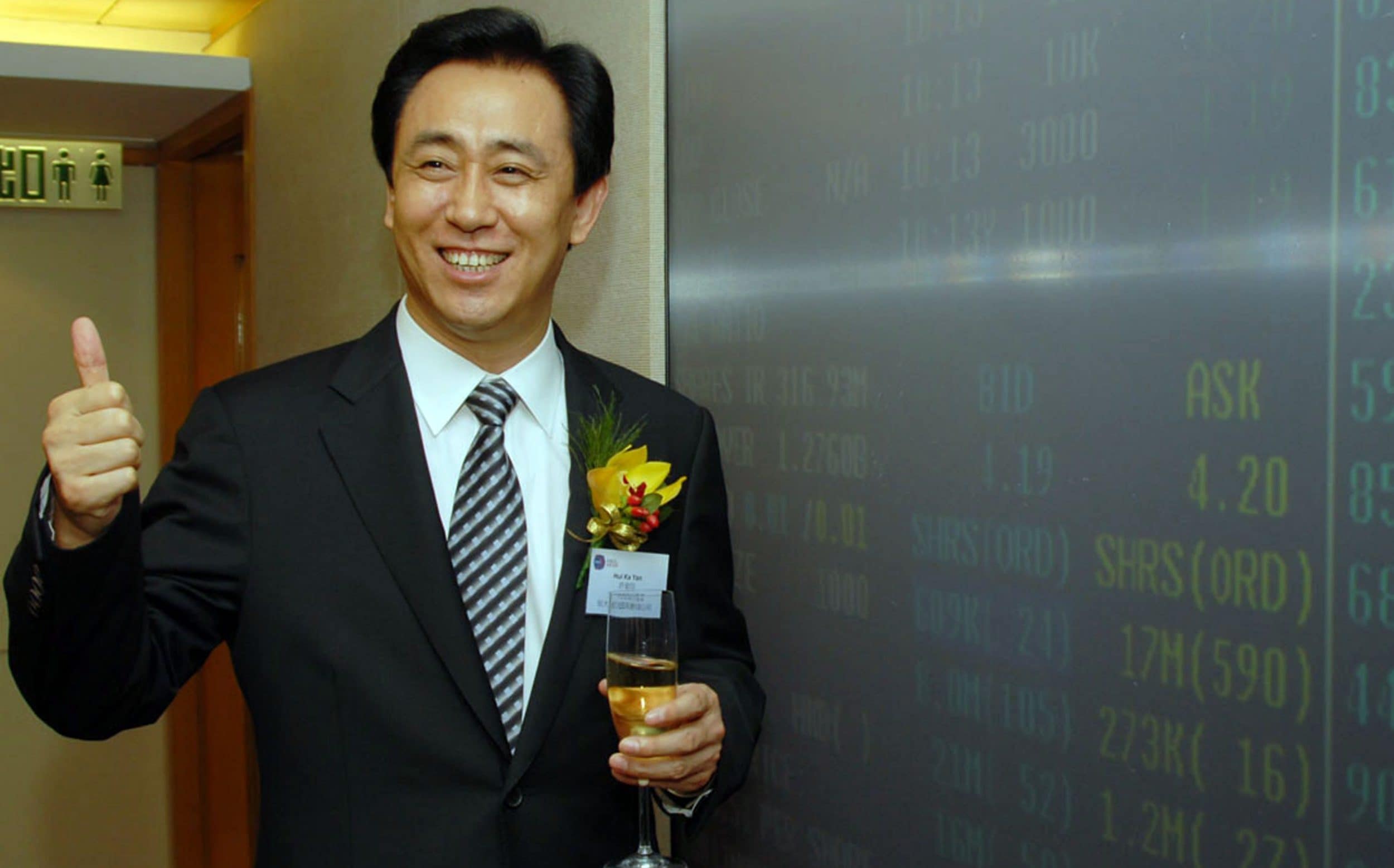
Hui’s property empire made him the richest man in China - VCG/Getty ImagesRat in the house
The boom could not last. Evergrande, like other developers, gorged on cheap credit to finance construction, building apartment blocks on land sold by local governments. The company relied on a straightforward cycle: borrowing money to buy land, pre-selling flats before borrowing again. With house prices rising and demand seemingly endless, the model appeared unassailable.
But in 2020, as the Covid pandemic arrived and house sales slowed, the Chinese government attempted to tame the boom by tightening developers’ access to borrowing, effectively cutting their lifeline to credit markets.
By then, Evergrande was the world’s most indebted property developer, with liabilities of more than $300bn (£222bn). Towards the end of 2021, it stopped paying its debts in the biggest corporate default in China’s history. The fall of Evergrande, which has since entered liquidation, triggered an avalanche, with more than 50 other developers also defaulting, including Country Garden, the country’s second-largest developer.
Advertisement
It unleashed not just a real-estate crisis but brought an end to the economic boom that had been built in large part on China’s extraordinary property market.
The combination of pandemic and property crash knocked the wheels off the Chinese economy. Predictions that China was set to eclipse the United States as the world’s biggest economy within years were rapidly reappraised.
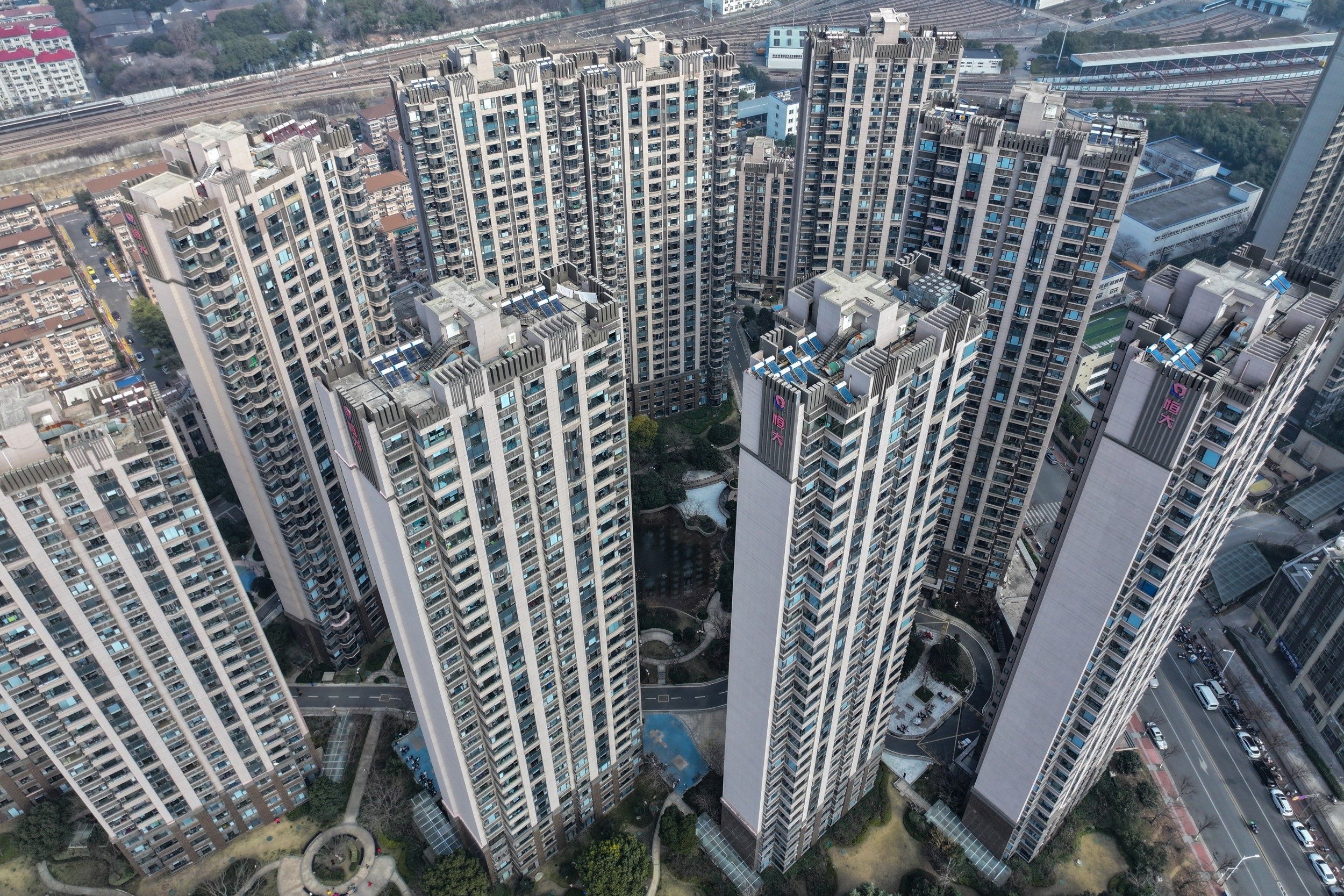
With 1,300 projects across 280 cities by 2019, Evergrande’s building model appeared unassailable - AFP via Getty Images
But those who suffered most were ordinary Chinese families who had poured their money into property and watched their wealth evaporate. With housing accounting for roughly 70 per cent of household wealth, the collapse in prices delivered a significant blow to consumer confidence and spending.
Some lost everything. When Evergrande defaulted, it left 1.5 million pre-sold apartments unfinished. Not only did their owners still have to pay their mortgages, many were also forced to pay rent for temporary accommodation. Rare protests erupted. Reports of suicides were swiftly censored.
All tattered and torn
Retribution against Hui was swift. In 2023 he was arrested and charged with fundraising fraud, bribery and other financial crimes. He later pleaded guilty, as is often the way in China.
Consigning Hui to the bowels of the Chinese penitentiary system in perpetuity, and jailing dozens of others, including five senior executives for sentences of up to 18 years, the court that tried him in secret offered a brief justification for its decision.
“The amount involved is exceptionally large, the circumstances are particularly egregious, and extraordinarily heavy economic losses have been caused,” it said in a statement. “The harm to society is extremely serious. Therefore, severe punishment should be given in accordance with the law.”
The legacy of the Evergrande saga and the Chinese property collapse has had profound consequences at home and abroad.
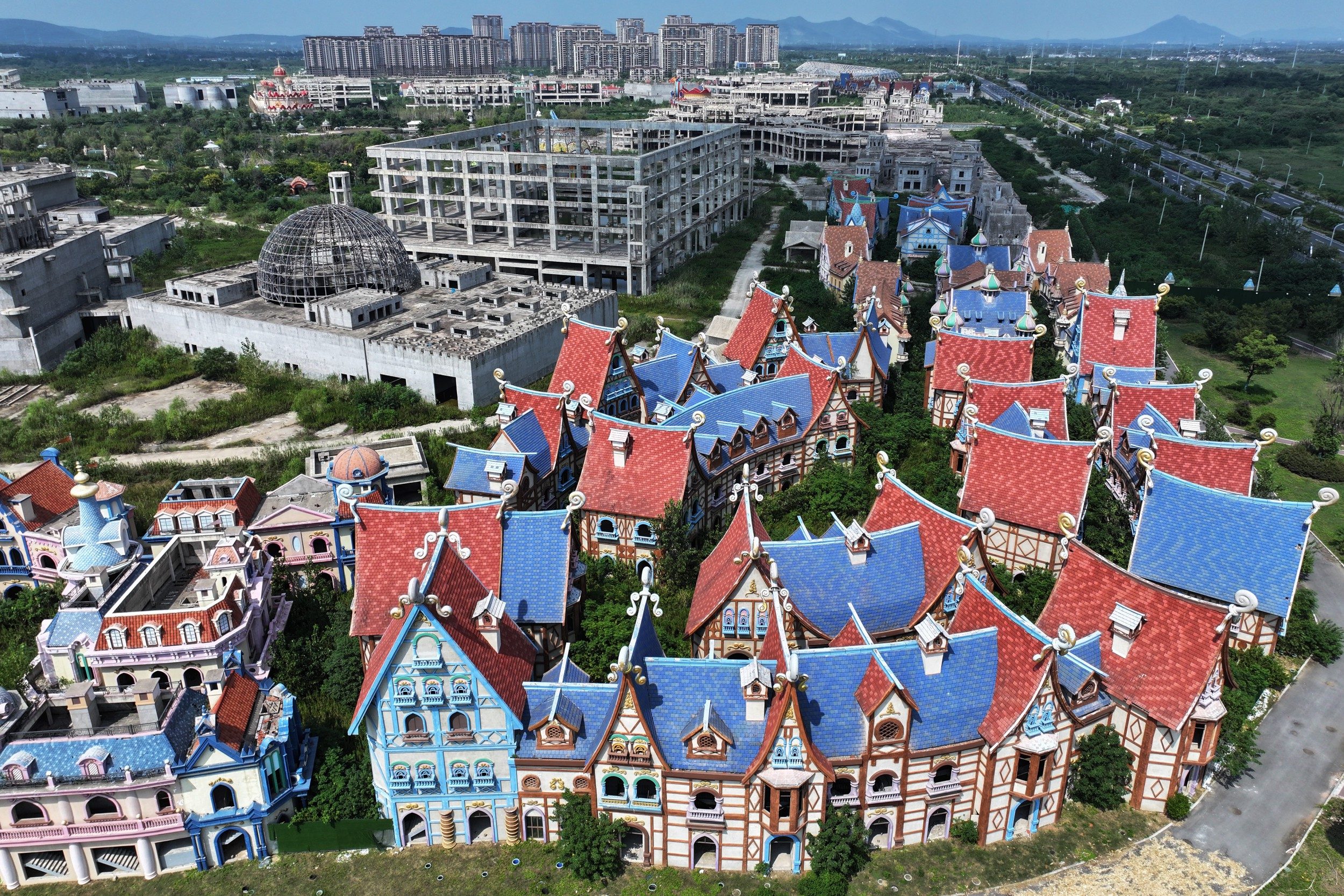
When Evergrande defaulted, it left 1.5 million pre-sold apartments unfinished and thousands of people facing financial ruin - CFOTO/Getty Images
Fearing a repeat of the “lost decades” of stagnation that afflicted Japan after its property crash in the early 1990s, China has responded to the collapse in domestic demand by doubling down on its efforts to find markets abroad.
In the 1990s and early 2000s, what became known as the China Shock flooded the world with cheap goods. The US bore the brunt, with swathes of blue-collar manufacturing lost in the Midwest Rust Belt, helping propel Donald Trump to the White House years later on a promise to restore it.
But economists now describe the Chinese response to its property woes as a “China Shock 2.0”, whose main impact is being felt in Europe – in part because Mr Trump has erected trade barriers that have diverted Chinese exports towards other markets.
For all China’s domestic woes, its growing dominance in advanced manufacturing, from electric vehicles and solar panels to batteries and machinery, is distorting the global economy and accelerating industrial decline in Europe.
Unable to rely on property to drive growth, China has continued to pour investment and credit into manufacturing and strategic industries, allowing its companies to outcompete European rivals and contributing to a considerable global trade imbalance. China recorded a record trade surplus of $1.2tn (£879.6bn) last year.
Supported by the state, Chinese companies, once the purveyors of cheap tat, now sell quality products at prices that can be difficult for foreign rivals to match. In March, the Jaecoo 7, a Chinese-made SUV, became Britain’s best-selling new car, although it ranked second for the year to date.
The threat, warns Emmanuel Macron, France’s president, cannot be overstated: “China is crashing into the heart of the European industrial and innovation model. This is a matter of life or death for European industry.”
How Europe will respond remains to be seen, but one thing is clear: China has no intention of retreating from its new economic trajectory. In reality, it has little choice. With the domestic housing market that was once the engine of growth languishing in the doldrums and households unwilling or unable to spend, manufacturing for export has become an increasingly important engine of the Chinese economy.
Evergrande’s debt-fuelled model once defined China’s rise. The hubris and greed that contributed to its fall have helped dictate its present course, one in which Beijing seeks to export its way out of trouble even as it locks the world into a new era of economic conflict.
Source: “AOL Money”
