


Legoland’s owner is falling apart brick by brick
Legoland’s owner is falling apart brick by brick

Tom HaynesSat, October 10, 2026 at 6:00 AM UTC
0
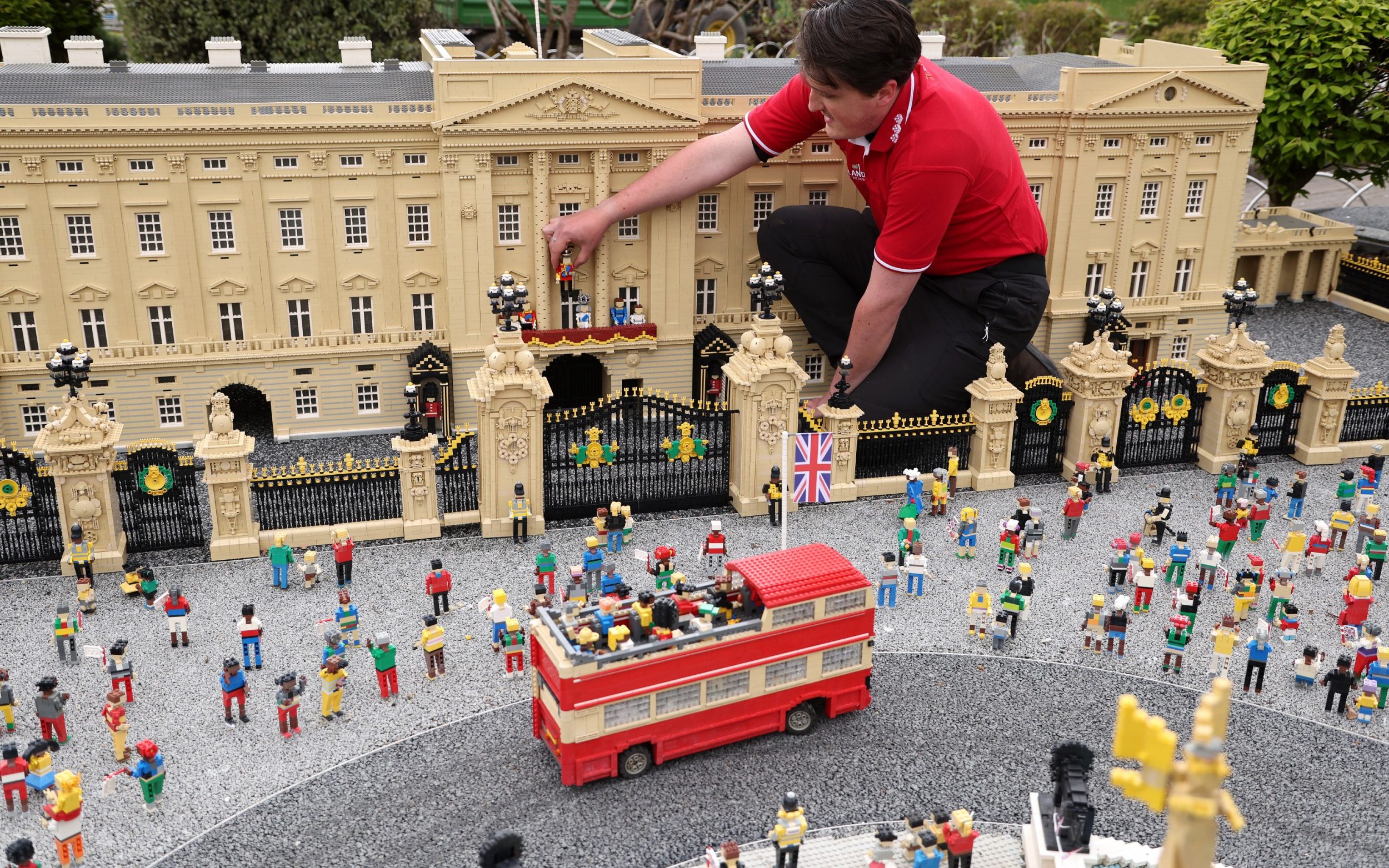
Legoland resorts are among Merlin’s biggest global brands - Getty Images/Warren Little
For many children, a trip to Sea Life in London can sound like the highlight of a holiday.
Yet recent visitors have complained it is “a little tired”, “boring, empty and overpriced”, and “fine, not remarkable”.
Tripadvisor reviews are subjective, but they offer a glimpse of the broader challenges facing theme park and entertainment juggernaut Merlin Entertainments.
Sea Life is one of London-headquartered Merlin’s biggest global brands, alongside Legoland resorts, Madame Tussauds and Peppa Pig World. The company also owns the London Dungeons, Alton Towers, Thorpe Park and the London Eye.
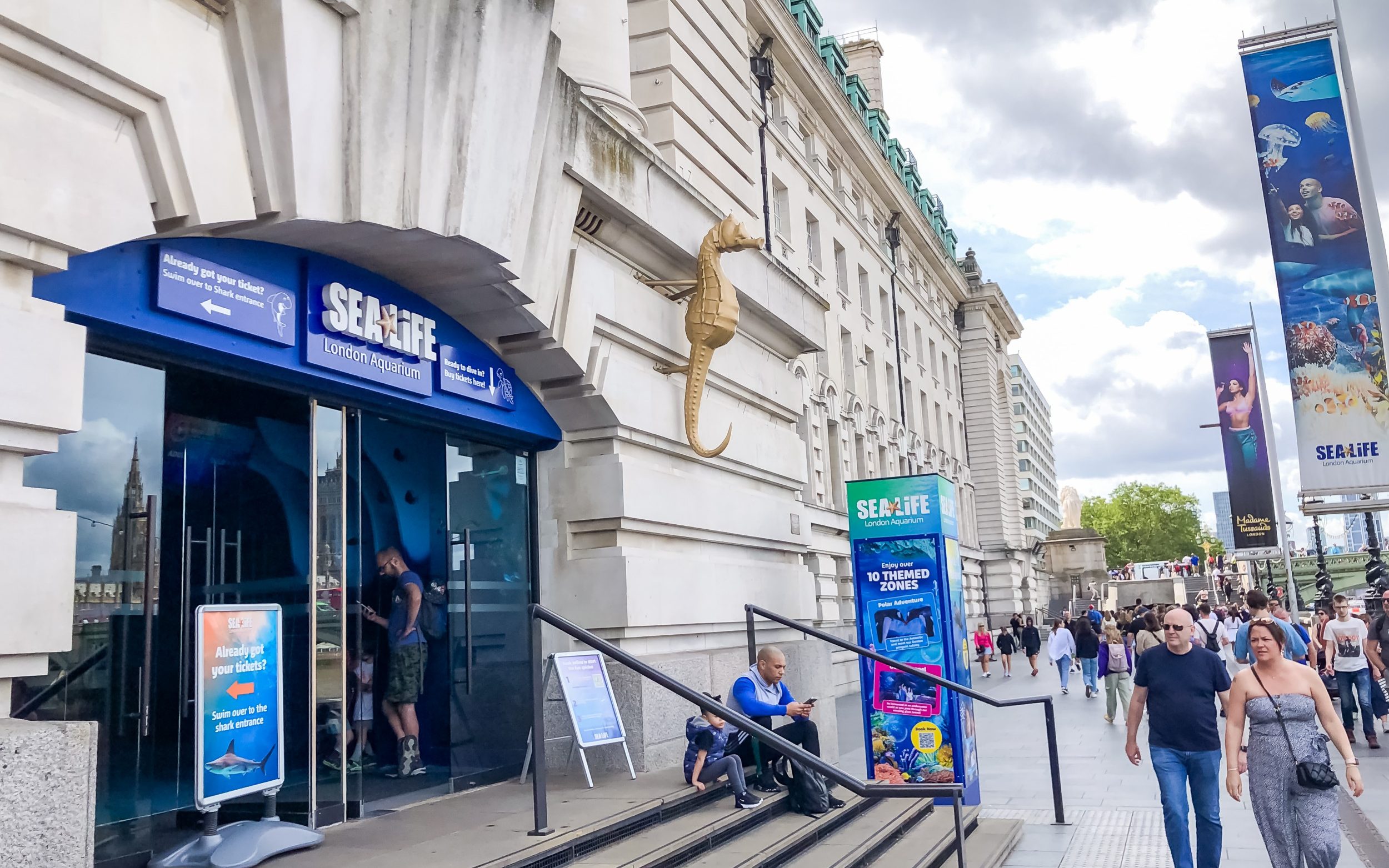
Recent visitors have called Sea Life ‘not remarkable’ - iStock/Surachetsh
Over the course of two decades, the British company has become the world’s second-biggest operator of visitor attractions, behind only Disney.
But a poorly timed, debt-fuelled deal to go private on the eve of the pandemic has derailed its finances and left executives scrambling to stave off a debt squeeze.
At the same time, Merlin must contend with a wave of newer attractions, from escape rooms to virtual reality, vying for people’s attention.
A decade ago, Merlin’s success attracted the attention of private equity giant Blackstone, which in 2019 took the company private alongside Kirkbi, the investment firm of the family behind Lego, and Canada Pension Plan Investment Board (CPPIB), a Canadian pension giant.
The consortium paid £4.7bn to take Merlin off the stock market – a valuation equivalent to 12 times its annual earnings. Merlin’s new owners promised “significant long-term investment” to secure the future of its attractions and drive further growth.
Mounting debt burdens
In 2018, the year before it went private, Merlin made a pre-tax profit of £285m on revenues of £1.68bn. Some 67 million people visited its attractions.
But the deal came at the wrong time. Merlin’s net debt rose from £1.1bn in 2018 to £4.7bn by the end of 2020, just as Covid-19 forced places such as Legoland to close.
As interest rates have soared since the pandemic, the company’s net financing costs have risen nearly tenfold, from £38m in 2018 to £368m last year.
As the cost of living crisis has squeezed disposable income worldwide, Merlin has been forced to write down its brand value by hundreds of millions of pounds.
Merlin made a pre-tax loss of £426m last year. Visitors to one of its attractions numbered 60.5 million, down almost 10pc since the company went private.
Some challenges were beyond the company’s control: the pandemic, soaring interest rates and a cost of living crisis.
But Helen Rodriguez, an analyst at CreditSights, says the company hasn’t helped itself. Executives have spent years spreading money across a sprawling collection of attractions instead of focusing on the best performers.
“Instead of pursuing a very focused investment strategy towards their more successful concepts, they’ve gone wide and broad, and they’ve acquired and invested in a lot of different things over the last 15 to 20 years,” Rodriguez said. “The investment strategy hasn’t been terribly effective.”
Some of the more puzzling projects include a £20m Bear Grylls adventure park in Birmingham, closed in 2024, and a Peter Rabbit-themed attraction in Blackpool.
A lack of focus has followed a high turnover of chief executives in recent years. Merlin’s long-time boss, Sir Nick Varney, left in 2022 after 23 years in charge.
Scott O’Neil, an American sports executive who ran the Philadelphia 76ers basketball team, replaced him, but he left two years later to run LIV Golf, the breakaway Saudi league.
Advertisement
Fiona Eastwood, a former executive at the BBC’s commercial arm, was parachuted in last year and launched a turnaround plan.
Since then, Merlin has narrowed its focus. The company handed back Blackpool Tower, which it managed for 15 years, to the council in June, along with the Peter Rabbit attraction.
Meanwhile, Merlin will spend £70m on new indoor roller coasters at Legoland parks in Florida and California, and new attractions based on the popular children’s shows Bluey and Paw Patrol, as well as Minecraft, are coming to its British parks.
The new rides aim to capture the attention of a new generation of children as Merlin tries to revive theme parks that have been losing appeal in the smartphone era.
This pressure is showing elsewhere in the company.
Pressing financial challenges
Merlin wrote down Madame Tussauds by £262m last year. A further £48m was written off against other attractions in 2024.
But the company’s most pressing challenge is financial. Merlin had more than £600m of debt due in 2027, a deadline looming over the entire business.
Merlin needed to push out repayment “in order to give them a couple of years to continue to try and turn around the business”, Rodriguez said.
The sale of Merlin’s Lego Discovery Centres to the Lego Group for more than £200m in February eased pressure, but selling assets has traditionally been difficult.
“They tried to sell Sea Life, but there were no attractive offers,” Rodriguez says.
Instead, the company has effectively been mortgaging its parks. Merlin recently agreed a £657m loan to help refinance around £630m of debt due next year, securing the lending against attractions including the London Eye, the London Dungeon and Shrek’s Adventure London.
Yet this leaves holders of older bonds with fewer assets to fall back on if the company runs into serious financial trouble.
As a result, Merlin’s bonds have plunged in recent months. Some of its debt now trades at around 65c on the euro, down from about 80c in the summer.
One credit investor says: “Every time you put another one of those good assets under some different securitisation, you can rule that out to be part of your recovery calculation. If you do enough of that, recovery starts to move closer to zero.”
The yields on some of Merlin’s pre-refinancing bonds have risen from roughly 7pc when the bonds were issued to about 21pc today.
“If you wanted to be involved in this bond now, you’d really need to be a distressed debt specialist,” the credit investor says.
As a result, Merlin is relying on an ever-smaller pool of potential lenders.
The next few years will show whether the refinancing has given Merlin enough time to rebuild the appeal of its attractions, or whether it has simply delayed the next reckoning with its debts.
A Merlin spokesman said: “We are making good progress in our transformation, investing in our strongest destinations, bringing iconic brands to life and welcoming more guests as a result.
“We have secured commitments to proactively refinance our 2027 bonds in good time so that we have the right funding in place for the business and our growth plans.”
Source: “AOL Money”
